Overview

Sleep breathing disorder is a common sleep disorder that refers to abnormal breathing during sleep, including apnea, hypopnea, snoring, etc. It can be divided into three types: obstructive, central, and mixed. The main symptoms include snoring, apnea, daytime sleepiness, etc. This type of disorder may cause hypoxia and sleep interruption, and long-term untreated cases can damage cardiovascular and nervous system health.

The main diagnostic method is polysomnography, and treatment methods include lifestyle changes, continuous positive airway pressure, oral appliances, surgical treatment, etc. If you have sleep breathing disorder issues, you may consider a sleep screening to assess your sleep condition.

Contact Us

What impact can sleep breathing disorders have on you?

Sleep breathing disorders are like planting invisible bombs in the body, mainly manifesting as snoring and apnea. Severe apnea patients may experience more than 30 episodes per hour. The body undergoes dozens of "hypoxic awakenings" every hour, night after night, like a continuously running alarm system, silently exerting invisible pressure on organs.

During the day, fatigue follows closely—drowsiness, weakness, as if you haven't slept all night. But it's far more than just "poor sleep"; if left untreated, it becomes a slowly detonating health bomb, causing profound damage to the body. For example, patients have a 3 times higher risk of hypertension, 5 times higher risk of myocardial infarction, and about 50% increased risk of type 2 diabetes. It also weakens immunity, and sleep fragmentation reduces hippocampal neurogenesis by 30%, increasing Alzheimer's disease risk by 2.4 times, comprehensively damaging health.

Symptoms of Sleep Breathing Disorders
Snoring
Sleep Apnea Syndrome

Good sleep is crucial for health, but snoring disrupts sleep rhythm, making it difficult for yourself or family members to get quality sleep, and easily causes daytime fatigue and irritability. If you're troubled by snoring, don't rely on coffee to get through the day; improving sleep health allows you to breathe easily, embrace a wonderful life, and enhance quality of life.

Causes of snoring:

  1. 1. Airway narrowing, such as neck fat accumulation due to obesity, enlarged tonsils, etc.
  2. 2. Muscle relaxation, where pharyngeal muscles relax during sleep, causing the tongue to fall back and block the airway.
  3. 3. Bad habits, such as alcohol consumption and smoking that irritate the mucosa.
  4. 4. Disease effects, such as nasal congestion from rhinitis, nasal polyps, sleep apnea syndrome, etc.

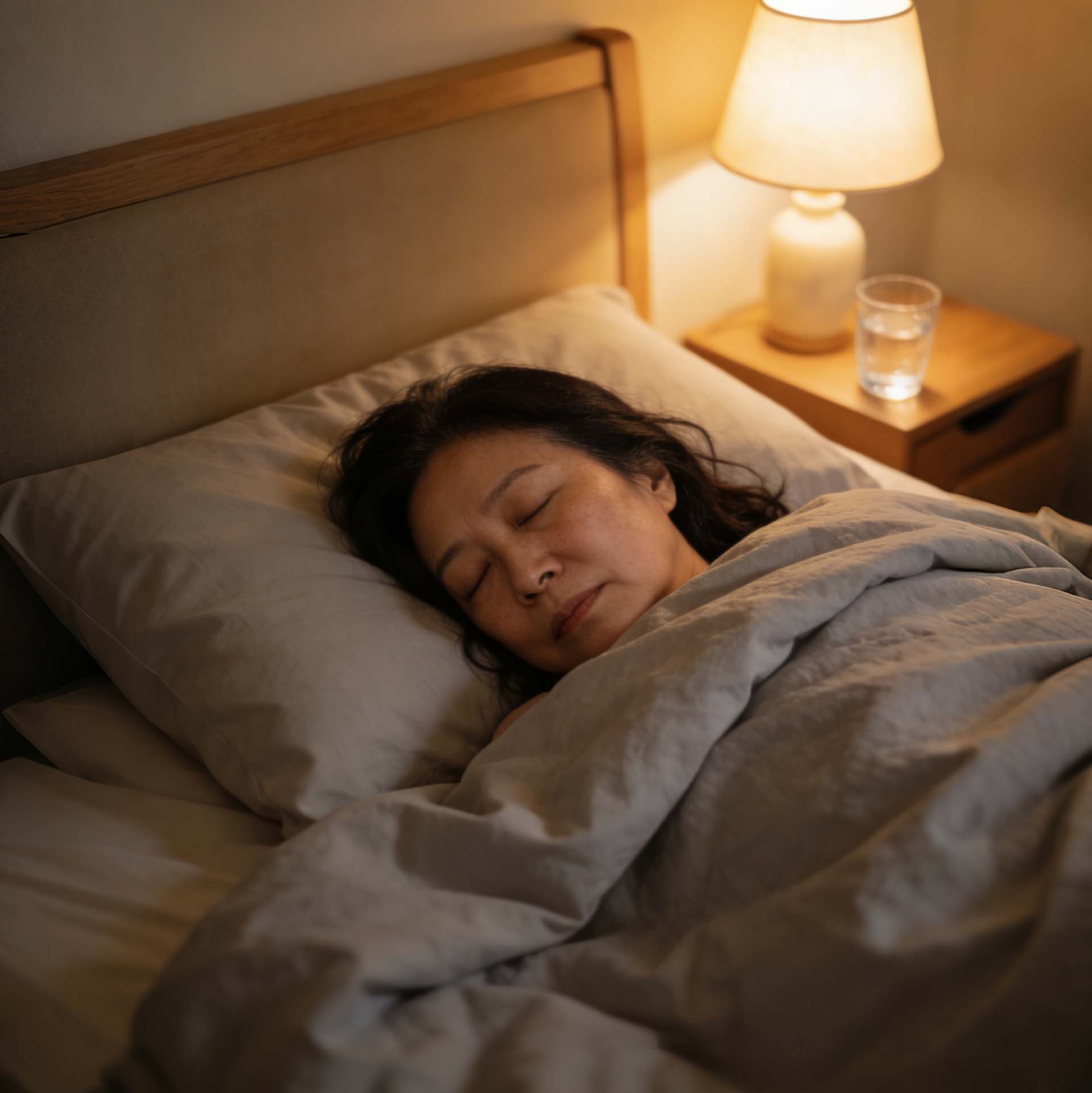
Snoring image

Good sleep is crucial for health, but snoring disrupts sleep rhythm, making it difficult for yourself or family members to get quality sleep, and easily causes daytime fatigue and irritability. If you're troubled by snoring, don't rely on coffee to get through the day; improving sleep health allows you to breathe easily, embrace a wonderful life, and enhance quality of life.

Causes of snoring:

  1. 1. Airway narrowing, such as neck fat accumulation due to obesity, enlarged tonsils, etc.
  2. 2. Muscle relaxation, where pharyngeal muscles relax during sleep, causing the tongue to fall back and block the airway.
  3. 3. Bad habits, such as alcohol consumption and smoking that irritate the mucosa.
  4. 4. Disease effects, such as nasal congestion from rhinitis, nasal polyps, sleep apnea syndrome, etc.

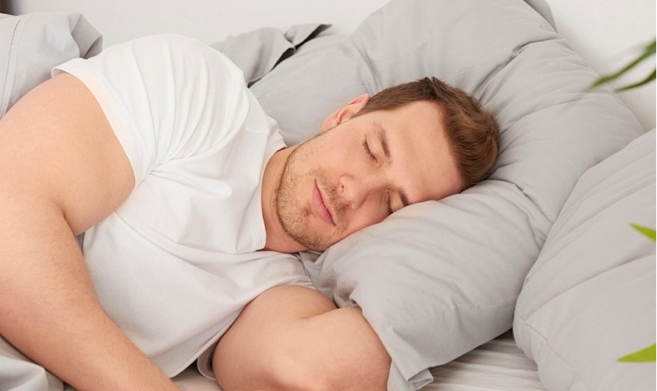
Snoring image

Sleep apnea is a clinical syndrome defined as more than 30 apnea episodes during 7 hours of sleep with each airflow cessation lasting ≥10 seconds, or more than 5 hypopnea episodes per hour, leading to chronic hypoxia and hypercapnia. It is classified into central, obstructive, and mixed types. Severe sleep apnea not only affects daily life but also impacts health status.

What causes sleep apnea?

  1. 1. Obstructive type is mostly due to upper airway narrowing, such as obesity, enlarged tonsils, tongue falling back, etc.
  2. 2. Central type is related to abnormal respiratory center regulation, often associated with heart failure, stroke, etc.
  3. 3. Mixed type has both pathogenic factors of the previous two, such as both airway structural problems and neural regulation disorders.
Snoring image
Self-assessment for sleep breathing disorders

If you have two or more of the following symptoms, you may be at high risk for sleep breathing problems. It is recommended to schedule a home sleep monitoring as soon as possible to assess your sleep health status in a timely manner.

Insomnia
Snoring during sleep
Often feel tired during the day
Have hypertension
Female neck circumference over 41 cm
Male neck circumference over 43 cm
Others have noticed breathing pauses

Benefits of treating sleep breathing disorders

  1. Improve physical and mental state: After treatment, affected energy, mood, and work efficiency are quickly relieved. Daytime headaches disappear, energy is充沛, life is more pleasant, the body is healthier, and happiness is significantly enhanced.
  2. Improve sleep quality: Reduce nighttime apnea, hypoxia, and awakening frequency, increase deep sleep duration, and effectively relieve daytime sleepiness, fatigue, and other discomforts.​
  3. Comprehensive health protection: Reduce the risk of cardiovascular and cerebrovascular diseases such as hypertension, coronary heart disease, and stroke, improve heart oxygen supply and reduce burden; help control blood sugar and血脂, and reduce obesity-related complications.​
  4. Optimize family status: Enhance attention, memory, and emotional stability, reduce anxiety and depression, make daily work and life smoother, and family members who have long been troubled by snoring can also sleep peacefully.

Solutions for Sleep Breathing Disorders

Improving sleep breathing problems can be approached from multiple aspects. In daily life, maintaining a healthy weight, adjusting sleep posture, quitting smoking and limiting alcohol consumption can help relieve symptoms; in medical aspects, there are continuous positive airway pressure therapy, oral appliances, surgery, etc., depending on the condition. To understand the most suitable plan for yourself, you can further consult professionals for personalized advice.

Contact Us
Recommended Products for Sleep Breathing Disorders

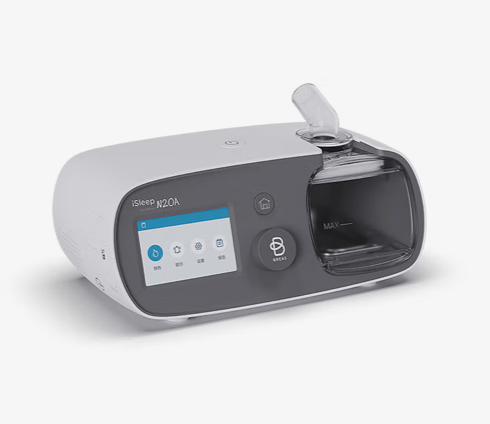
Breas iSleep N20A

Single-level Ventilator

Breas iSleep N25A

Auto Bi-level Ventilator

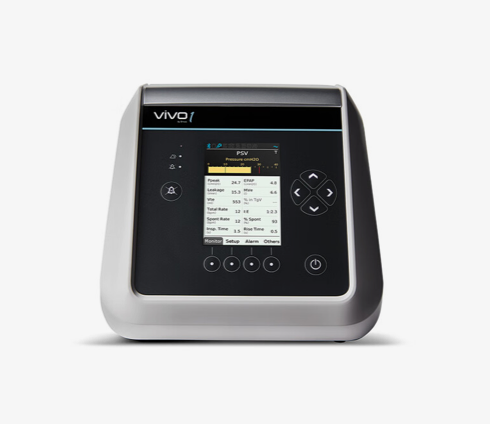
Breas vivo1

Non-invasive Bi-level Ventilator

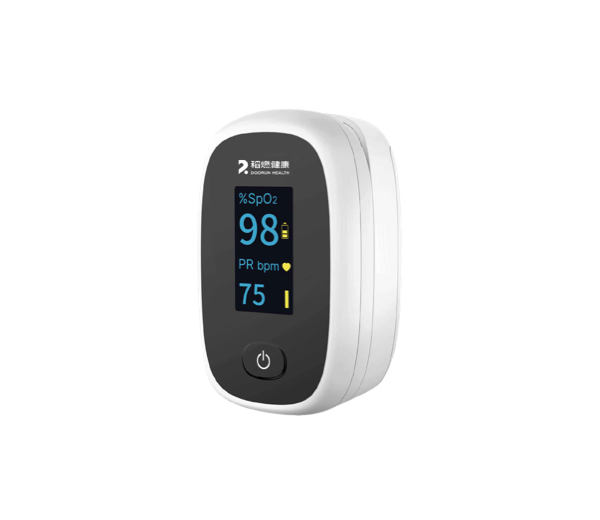
Pulse Oximeter

Fingertip quick test, precise blood oxygen

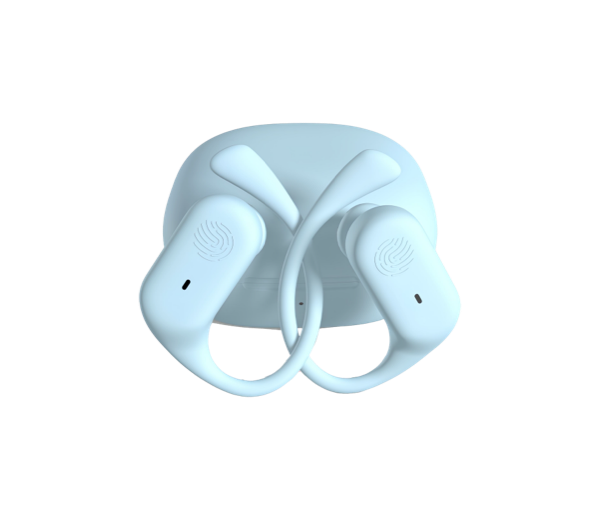
Doorun Sleep Aid Device

Smart wearable nerve regulation expert

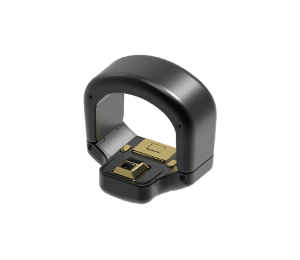
Doorun Sleep Monitoring Ring

Health management at your fingertips